Thinking about a move to Mountain View? You are not alone, and you are probably weighing the same two questions most relocators face here: What can I realistically buy or rent, and how will my commute shape daily life? In a city where housing moves fast and micro-locations can change both price and routine, having a clear plan matters. This guide breaks down Mountain View’s housing landscape, commute patterns, and relocation logistics so you can make a smart move with more confidence. Let’s dive in.
Mountain View at a glance
Mountain View is a compact Silicon Valley city with about 85,438 residents across 11.96 square miles. It sits roughly 10 miles north of San Jose and 35 miles south of San Francisco, which helps explain why so many people choose it for access to major job centers.
The city describes itself as a high-tech hub with quiet neighborhoods and a historic downtown. For you as a relocator, that usually means balancing three priorities: proximity to work, access to transit, and the kind of housing setting that fits your lifestyle.
Housing costs in Mountain View
Mountain View is a high-cost market, and it helps to go in with realistic expectations. Census QuickFacts reports a median value of owner-occupied housing units of $1,927,000, while Zillow shows a typical home value of $2,019,929 and a median sale price of $1,840,000 as of May 2026.
If you plan to rent first, pricing is still significant. Census data shows a median gross rent of $3,062, while Zillow reports an average asking rent of $4,177. Because those figures come from different methods, it is best to treat them as directional rather than directly comparable.
Monthly ownership costs matter too. Census data reports median monthly owner costs with a mortgage of more than $4,000, which is important when you are budgeting beyond just the purchase price.
Why Mountain View feels so competitive
This is still a fast-moving market by Bay Area standards. Zillow reports 136 homes for sale, 68 new listings, a median sale-to-list ratio of 1.065, and 83.5% of sales closing over list price.
Speed is a major factor for relocation buyers. Homes are going pending in about 11 days, so the window to evaluate, decide, and write a strong offer can be short. If you are moving from out of area, preparation can make a real difference.
Home types you are likely to see
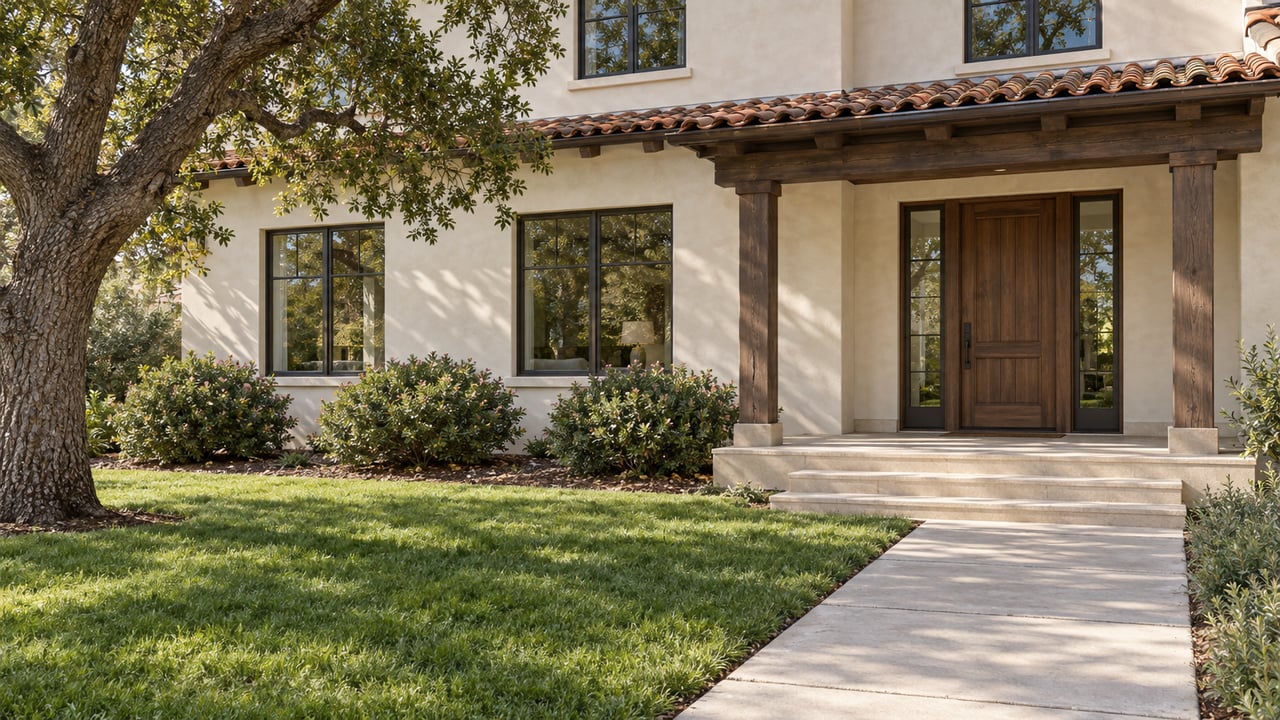
Mountain View is not one single housing story. The city’s land-use framework allows for detached single-family homes in low-density residential areas, while medium-low density areas may include townhouses, duplexes, and similar housing types.
The city also notes that most single-family homes sit in R1 zoning, with some in R2 and R3. In practical terms, that means you will find both established detached-home neighborhoods and more compact attached-home options depending on where you focus your search.
Downtown and transit-adjacent areas are also seeing more multifamily development. Recent city housing projects include new 5- to 6-story apartment buildings near the downtown core, including a 120-unit project across from the library and additional development along North Shoreline, Evelyn, and El Camino.
Mountain View is a city of micro-markets
One of the biggest relocation mistakes is treating Mountain View like one uniform market. In reality, pricing can vary widely depending on the neighborhood and housing type.
Zillow neighborhood values show that some areas sit in lower price bands, including Moffett Boulevard at about $1.08 million, North Whisman at about $1.21 million, Slater at about $1.25 million, and Wagon Wheel at about $1.42 million. Other areas come in much higher, including Rex Manor at about $2.11 million, Shoreline West at about $2.25 million, Old Mountain View at about $2.33 million, Monta Loma at about $2.35 million, and St. Francis Acres at about $3.19 million.
These are value estimates rather than list prices, but they are still useful for setting expectations. If you are relocating, your budget may stretch very differently depending on whether you prioritize a detached home, a more central location, or easier transit access.
Commute choices shape your lifestyle
In Mountain View, your daily routine may depend as much on location as on square footage. The citywide mean travel time to work is 23.3 minutes, but that average can look very different depending on whether you work locally, commute to nearby Silicon Valley cities, or travel farther up the Peninsula.
That is why many relocation buyers start by mapping work patterns first. Once you know how often you need to be in an office and where that office is, it becomes easier to narrow the parts of Mountain View that fit your routine.
Downtown living and transit access
For many buyers, downtown Mountain View offers the easiest car-light lifestyle. The city says its transportation system centers on the Downtown Transit Center and Castro Street district, with access to US-101, SR-85, SR-237, El Camino Real, and Central Expressway, along with sidewalks, bike lanes, and trails.
The city also describes the Downtown Transit Center as the centerpiece of local transportation, and says Mountain View’s Caltrain station is one of the busiest and most convenient in Silicon Valley. The station serves more than 12,000 boardings and alightings on a typical weekday and connects to Caltrain and the Orange Line, with paid parking and bike parking available.
If you want easier rail access, more walkability, and a stronger connection to dining and downtown activity, this area can be a natural fit. It is also the city’s most visible multifamily housing corridor, which may matter if you are considering a condo, townhouse, or apartment before buying a detached home.
Living near job centers
If your work is tied to North Bayshore, East Whisman, San Antonio, or downtown, Mountain View’s shuttle options may shape your search. The city says the MVgo shuttle network connects the Transit Center to North Bayshore, East Whisman, San Antonio, and downtown Mountain View.
The city also notes that the free Community Shuttle has 50 stops throughout town. That can make a meaningful difference if you want to reduce drive time or keep your commute more flexible.
North Bayshore is also planned as a place for sustainable, innovative commercial and residential development. The city expects Transit Center usage to rise as Caltrain service becomes more frequent and as North Bayshore employment and housing continue to grow, which makes transit-linked neighborhoods worth a closer look if long-term commute efficiency is a priority.
How to choose the right area for you
The best Mountain View location is usually the one that matches your routine, not just your wish list. A buyer who wants rail access and evening walkability may focus on downtown or the transit-center area, while someone who wants easier access to employment hubs may look more closely at North Bayshore, East Whisman, or other shuttle-connected areas.
If detached-home inventory is your top goal, you may end up targeting established residential pockets where values are often higher. If flexibility and convenience matter most, attached housing or rental options near transit may offer a better overall fit.
A simple way to compare options is to rank each area by:
- Commute time to work
- Access to Caltrain, VTA, or shuttles
- Preferred housing type
- Comfort with price point
- Interest in walkability versus quieter residential settings
Preparing to buy from out of area
Because Mountain View moves quickly, your financing should be ready before you start serious touring. The Consumer Financial Protection Bureau recommends getting at least three preapprovals and notes that sellers often require a preapproval letter before accepting an offer.
In a market where homes can go pending in about 11 days, this matters. If you are relocating from another city or state, you will want your budget, lender conversations, and documentation lined up early so you can act decisively when the right property appears.
Budget beyond the price tag
In a market like Mountain View, your purchase budget should include more than the offer amount. The Consumer Financial Protection Bureau advises buyers to plan for taxes, insurance, HOA dues, closing costs, moving costs, repairs, and possible future payment changes.
That guidance is especially important here, where both home prices and monthly ownership costs are already high. If you are comparing renting versus buying, make sure you are looking at the full monthly cost stack instead of the mortgage payment alone.
Know the closing process in California
For long-distance buyers, understanding closing logistics can help reduce stress. In California, escrow commonly runs through an independent escrow company or a title insurance company, and in Northern California it is often handled by a title insurance company.
The Consumer Financial Protection Bureau notes that the closing disclosure is provided at least three business days before closing. The California Department of Real Estate also warns that wire and email scams target real estate transactions, so it is wise to verify wire instructions by phone and review final documents carefully.
Renting first can be a smart bridge
Not every relocation has to start with a purchase. Some buyers choose to rent first so they can learn the city, test a commute, or bridge the gap between a job start date and a future home search.
Mountain View has a dedicated Housing Department with Affordable Housing and Rent Stabilization divisions, and the city says its housing mission includes tenant protection. If you are unsure which micro-market fits you best, renting first can give you useful on-the-ground insight before you commit.
Final thoughts on relocating to Mountain View
Mountain View works best when you approach it as a collection of micro-markets rather than one broad label. Downtown and transit-center living can support walkability and rail access, neighborhoods near employment centers can simplify daily commuting, and established residential areas often command higher detached-home values.
If you are relocating, the key is to match your budget and housing goals with the routine you want to live every day. With the right strategy, you can narrow your options faster and compete more effectively in a market that rewards preparation.
If you are planning a move to Mountain View and want responsive, data-driven guidance from a team that understands Silicon Valley relocation, connect with The Palacios Group.
FAQs
What is the typical home price in Mountain View, California?
- As of May 2026, Zillow reports a typical home value of $2,019,929 and a median sale price of $1,840,000, while Census data reports a median value of owner-occupied housing units of $1,927,000.
How competitive is the Mountain View housing market for relocation buyers?
- Zillow reports that homes go pending in about 11 days, the median sale-to-list ratio is 1.065, and 83.5% of sales close over list price, which points to a fast-moving and competitive market.
What kinds of homes can you find in Mountain View?
- Mountain View includes detached single-family homes, townhouses, duplexes, and other attached housing types, with more multifamily development concentrated near downtown and transit-adjacent areas.
Is downtown Mountain View a good option for commuters?
- Downtown Mountain View can work well for commuters who want access to Caltrain, the Orange Line, bike infrastructure, and major road connections, along with walkable access to downtown amenities.
Should you rent before buying in Mountain View?
- Renting first can make sense if you want time to learn Mountain View’s micro-markets, test a commute, or bridge the gap between relocation timing and a future home purchase.