If you picture Venice as one nonstop boardwalk scene, you are only seeing half the story. Everyday life in Venice includes busy beach blocks, quieter residential pockets, creative streetscapes, and routines that mix outdoor time with daily errands. If you are curious about what it actually feels like to live here, this guide will walk you through the rhythm, character, and street-by-street contrast that shape Venice. Let’s dive in.
Venice has two daily rhythms
Venice is a coastal neighborhood where two very different atmospheres exist within a short distance of each other. On one side, you have the beachfront district centered around Ocean Front Walk, the beach, and major recreation areas that draw large crowds throughout the year.
The City of Los Angeles says the Venice Beach boardwalk and nearby recreation areas attract about 28,000 to 30,000 visitors per day and more than 10 million each year. That steady activity helps explain why Venice can feel lively even on an ordinary weekday.
A few blocks inland, the mood can shift quickly. Residential streets, canals, and walk streets offer a more tucked-away setting, even though you are still close to the beach and neighborhood amenities.
Beach life shapes the routine
In Venice, the beach is not just a backdrop. It is part of daily life. Surfing, biking, skateboarding, walking, and beach yoga are all part of the area’s normal rhythm, alongside simpler routines like grabbing coffee and heading out for a morning walk.
LA County notes that Venice Beach includes Ocean Front Walk, Muscle Beach, volleyball and skate areas, the bike trail, and the beach itself. That means outdoor recreation is woven into the neighborhood in a very practical way, whether you want a quick bike ride or a full afternoon by the water.
For many residents, everyday plans can feel refreshingly simple. You might start the day on the sand or the bike path, run an errand, stop for a meal, and be back outside again before sunset.
Ocean Front Walk feels active all day
Ocean Front Walk is the most recognizable part of Venice, and it plays a major role in the neighborhood’s public life. The area brings together beachgoers, performers, vendors, artists, and people out for a walk or ride along the coast.
The City of Los Angeles says Venice Beach offers a fishing pier, skate plaza, bike path, children’s play areas, and public sports facilities. LA County also describes the boardwalk zone as a place where artists, vendors, roller skaters, street performers, and bodybuilders all contribute to the atmosphere.
If you live near this part of Venice, your day-to-day experience will likely include more foot traffic, more energy, and more noise. For some people, that is exactly the appeal. You are close to the action and can step right into one of Los Angeles’ most recognizable beach environments.
Abbot Kinney blends errands and leisure
Abbot Kinney Boulevard is another major anchor of daily life in Venice. It is known for shopping, art galleries, and food and drink spots, but it also functions as a practical neighborhood corridor where daily routines unfold.
You can see why this stretch matters so much to local life. A casual morning might include coffee or breakfast, a walk to browse storefronts, and then a trip toward the beach or back home on foot or by bike.
This mix of convenience and style is part of what makes Venice feel distinct. In many neighborhoods, errands and leisure are separate. In Venice, they often overlap in a way that makes the day feel more flexible and connected.
Venice includes everyday community amenities
Venice is not only about visitor attractions. It also has the ordinary amenities that help a neighborhood feel lived in and functional.
The Venice - Abbot Kinney Memorial Branch Library offers Wi-Fi, public computers, bike racks, and community programming. The Venice Farmers' Market is typically held on Friday mornings, adding another regular touchpoint to neighborhood life.
These details matter if you are trying to picture your everyday routine. They show that Venice supports both the high-profile beach lifestyle people recognize and the practical, local routines that make a place feel like home.
Art is part of the streetscape
Venice has a creative identity that shows up in daily life, not just in designated arts spaces. Murals appear on buildings, storefronts, walls, and other corners throughout the neighborhood, making art part of the normal visual experience.
Venice Art Walls is one of the clearest examples, where graffiti artists regularly repaint the walls. That constant renewal adds to the feeling that Venice is always in motion, with something new to notice as you move through the neighborhood.
This matters because the area’s personality is not hidden indoors. In Venice, the built environment itself reflects the neighborhood’s creative culture.
Skate culture still shapes Venice
Venice is also deeply tied to surf and skate culture. The neighborhood’s skate park is widely recognized as part of that legacy, and it remains one of the public spaces that gives Venice its unmistakable edge.
Even if you are not a skater, you still feel that influence. It shows up in the energy of the beachfront, the public spaces, and the way Venice balances recreation, creativity, and self-expression.
Events keep the neighborhood feeling lively
Venice often feels eventful because community activity is built into its public spaces. City planning materials identify public art, murals, and creative placemaking as important parts of the neighborhood’s identity.
Those same materials also reference events such as the Abbot Kinney Festival, the Venice Holiday Sign Lighting, and the Venice Art Crawl. Together, these events help explain why Venice can feel animated even outside peak visitor times.
If you enjoy a neighborhood with movement and public life, this is part of the appeal. There is often something happening nearby, whether it is planned or simply part of the neighborhood’s normal rhythm.
Housing feels different by block
One of the most important things to know about Venice is that it is not uniform. The Venice Community Plan describes a mix of single-family homes, multi-family dwellings, mixed-use buildings, and live/work artist studios.
Historic planning documents also point to a range of residential styles, including Craftsman, cottage, vernacular, and Period Revival homes, often on a modest scale. That variety gives Venice a layered look that changes as you move from one street to the next.
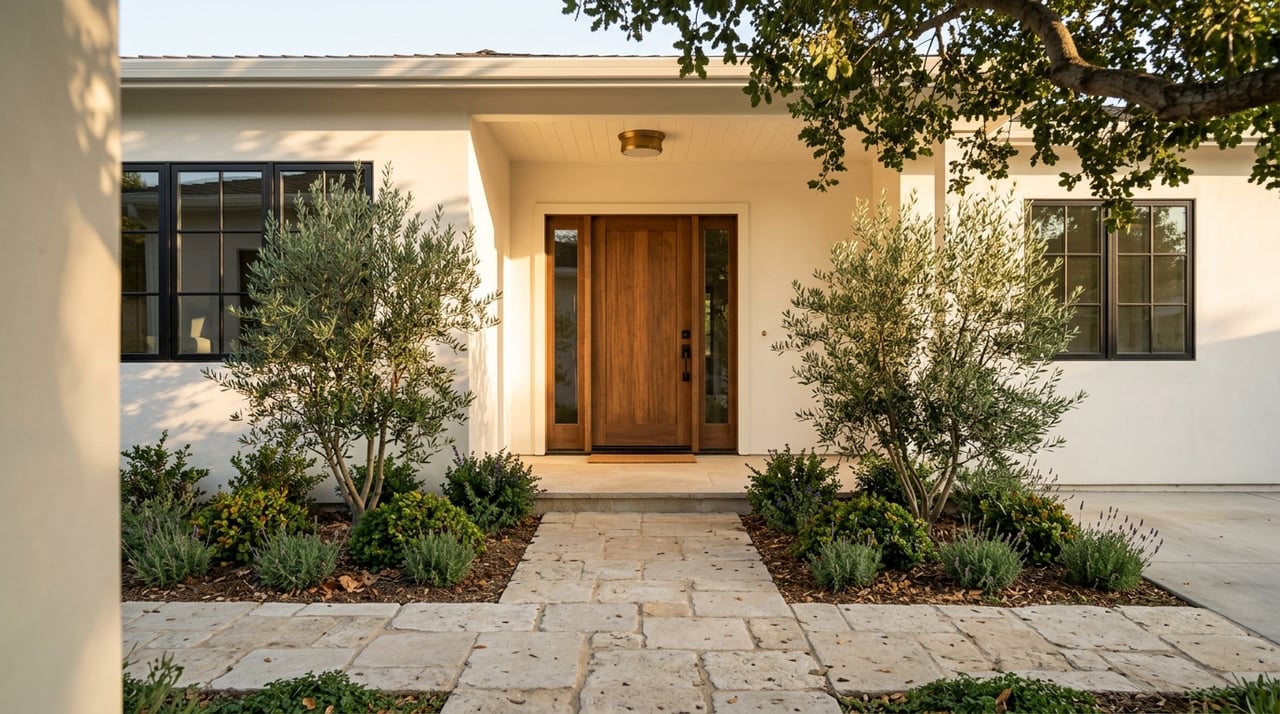
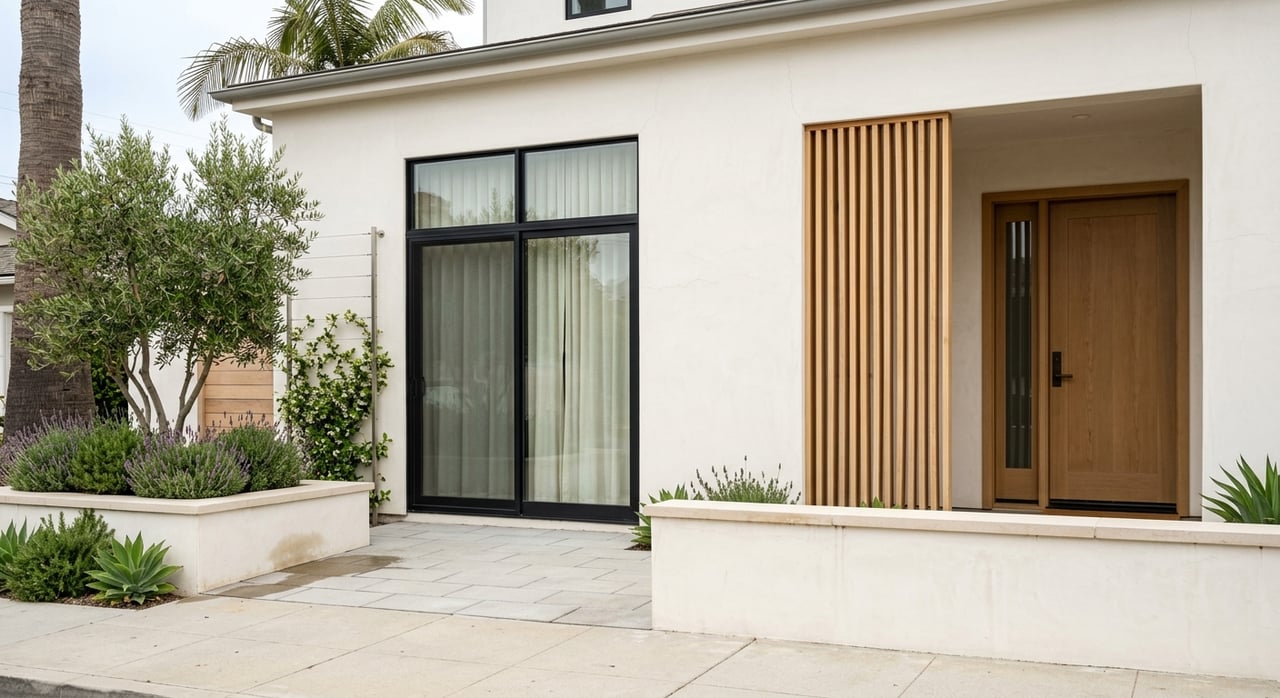
For you, that means everyday life can feel very different depending on the exact pocket you choose. A home near a major boulevard may offer a more urban rhythm, while a nearby residential street may feel lower-scale and more private.
Some areas feel denser and busier
According to the Venice Community Plan, multi-family development is more common in North Venice, Oakwood-Milwood-Southeast Venice, and along major boulevards such as Washington and Venice. These areas tend to reflect a denser, more active residential pattern.
If you value quick access to commercial corridors and neighborhood activity, those settings may feel convenient. You may also notice a stronger street presence and a faster pace compared with quieter interior blocks.
Some pockets feel more residential
The Community Plan says single-family uses are concentrated in places such as the Oxford Triangle, parts of Southeast Venice, and the Silver Strand. These areas can offer a lower-scale residential feel while still remaining close to the broader neighborhood amenities.
That contrast is central to understanding Venice. You can often choose between living near major activity nodes or settling into a more residential pocket without giving up access to the coast.
Canals and walk streets feel tucked away
The canals and walk streets are among the quietest-feeling parts of Venice. LA Tourism describes the canals as picturesque and the walk streets as leafy, pedestrian-only paths lined with homes and gardens.
Planning materials add that the walk streets in Milwood and North Venice help preserve the historic pedestrian scale of early Venice. The canals also allow non-motorized boating, including canoes and kayaks, which adds another layer to the area’s slower, more scenic pace.
If you want a side of Venice that feels more hidden, these areas often stand out. They offer a different experience from the beachfront blocks while still reflecting the neighborhood’s historic and pedestrian-oriented design.
Living in Venice means choosing your balance
The biggest lifestyle question in Venice is not whether the neighborhood has personality. It clearly does. The real question is what kind of daily rhythm fits you best.
Living closer to Ocean Front Walk, the skate park, or Abbot Kinney usually means more visitors, more noise, and easier access to the neighborhood’s most active spaces. Living near the canals or walk streets can bring a quieter feel and a bit more separation from the tourist flow.
That balance is what makes Venice so interesting from a real estate perspective. Within a relatively compact area, you can find a beach-centered, arts-driven, pedestrian-friendly lifestyle that shifts noticeably from block to block.
If you are exploring a move and want help understanding how different Venice pockets might fit your goals, The Palacios Group can help you navigate the options with clear, informed guidance.
FAQs
What is everyday life like in Venice Beach neighborhoods?
- Everyday life in Venice blends active beach culture with quieter residential pockets, so your routine may include outdoor recreation, local errands, arts scenery, and walkable access to neighborhood amenities.
What makes Venice different from other Los Angeles beach neighborhoods?
- Venice stands out for its mix of Ocean Front Walk activity, Abbot Kinney shopping and dining, canals, walk streets, murals, and a long-running surf and skate culture.
Which parts of Venice feel quieter to live in?
- The canals and walk streets generally feel more tucked away, while areas near Ocean Front Walk, the skate park, and Abbot Kinney tend to feel busier and more active.
How busy is the Venice Beach boardwalk area?
- The City of Los Angeles says the boardwalk and nearby recreation areas attract roughly 28,000 to 30,000 visitors per day, so the beachfront district often feels lively even during the week.
What kinds of homes are found in Venice neighborhoods?
- Venice includes single-family homes, multi-family dwellings, mixed-use buildings, and live/work artist studios, with architectural styles that include Craftsman, cottage, vernacular, and Period Revival homes.